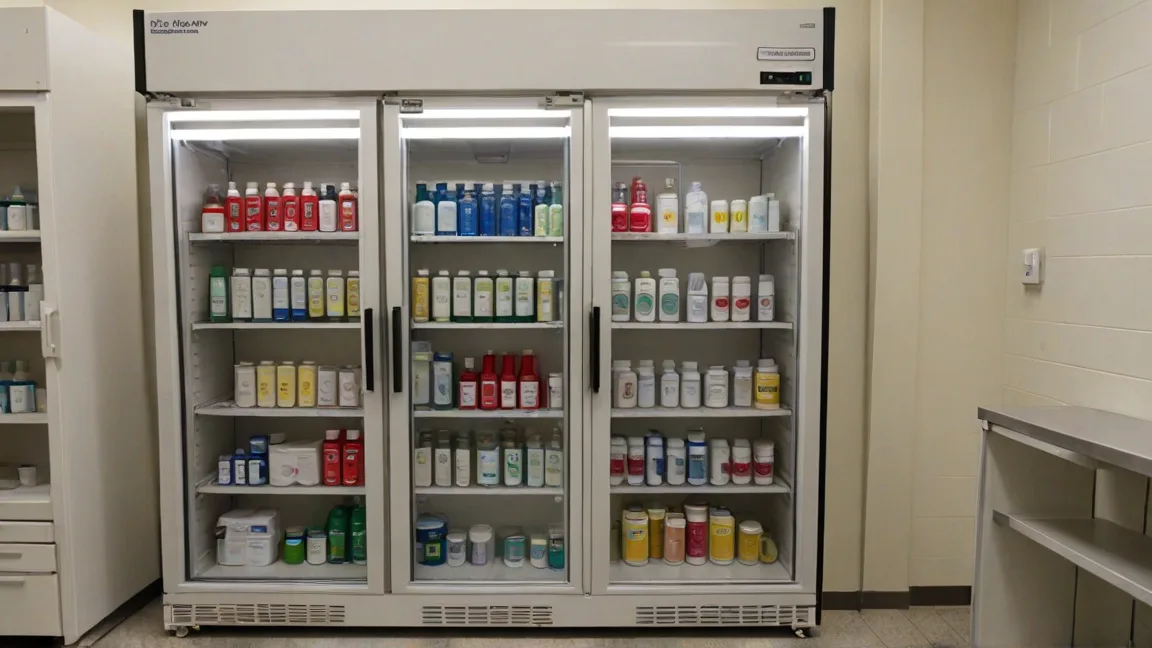
Tag: medication safety

  • Vaccine & Medication Refrigerator Temperature Log

    Vaccine & Medication Refrigerator Temperature Log

    This is a documentation guide for nursing students and new nurses, not medical or clinical advice. Every unit does things a little differently, so your facility’s policies and your preceptor always come first.

    A vaccine refrigerator looks like any other appliance in a clinic, which is part of why the temperature log matters so much. Nothing about it looks urgent day to day. But vaccines, insulin, and other biologics are proteins, and proteins do not forgive a night spent too warm or too cold the way a room-temperature pill bottle would. A log that gets filled in faithfully is what stands between a normal Tuesday and a freezer full of medication nobody can use.

    The range, and why it is not a suggestion

    The CDC and most state health departments set the target range for refrigerated vaccines and biologics at 36°F to 46°F (2°C to 8°C). That range is not a rough guideline with some flexibility built in – it reflects where these products stay stable, and drifting outside it in either direction, too warm or accidentally freezing, can quietly damage potency without changing how the vial looks.

    That last part is what makes this different from most equipment checks. A vaccine that has lost potency from a cold chain break does not look different, smell different, or behave differently when drawn up. The only way anyone would know is the log.

    Two checks a day, not one

    Most clinics check the refrigerator twice on every operating day – once in the morning before the doors have been opened, and once again at close or at shift handover. A single reading in the afternoon tells you nothing about what happened overnight, which is exactly when a slow drift is most likely to go unnoticed.

    Each check gets the exact temperature, the time, and the initials of whoever checked it. It is a small entry, and it is also the entry that turns “we think the fridge was fine” into an actual record if anyone ever needs to prove it.
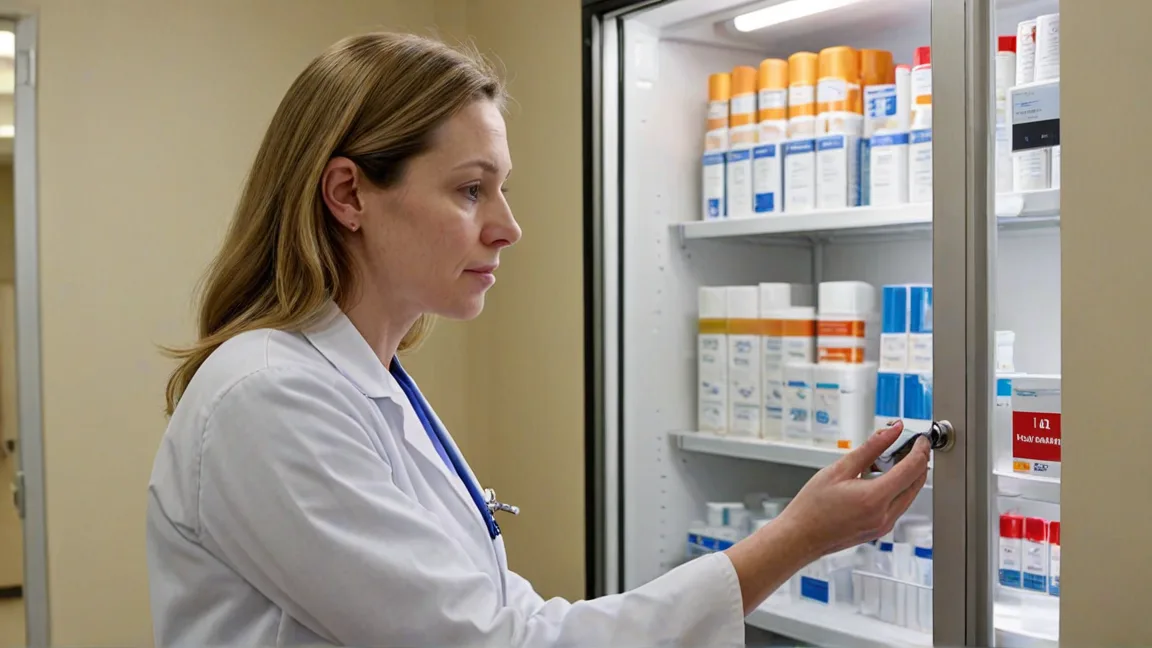
    Nurse checking a digital temperature logger on a medical refrigerator

    Checking the digital logger on a vaccine refrigerator

    Why a single reading is not enough

    A number read off the display at nine in the morning only tells you what the temperature is at nine in the morning. It says nothing about a compressor that struggled at three, or a door that got left ajar for twenty minutes overnight.

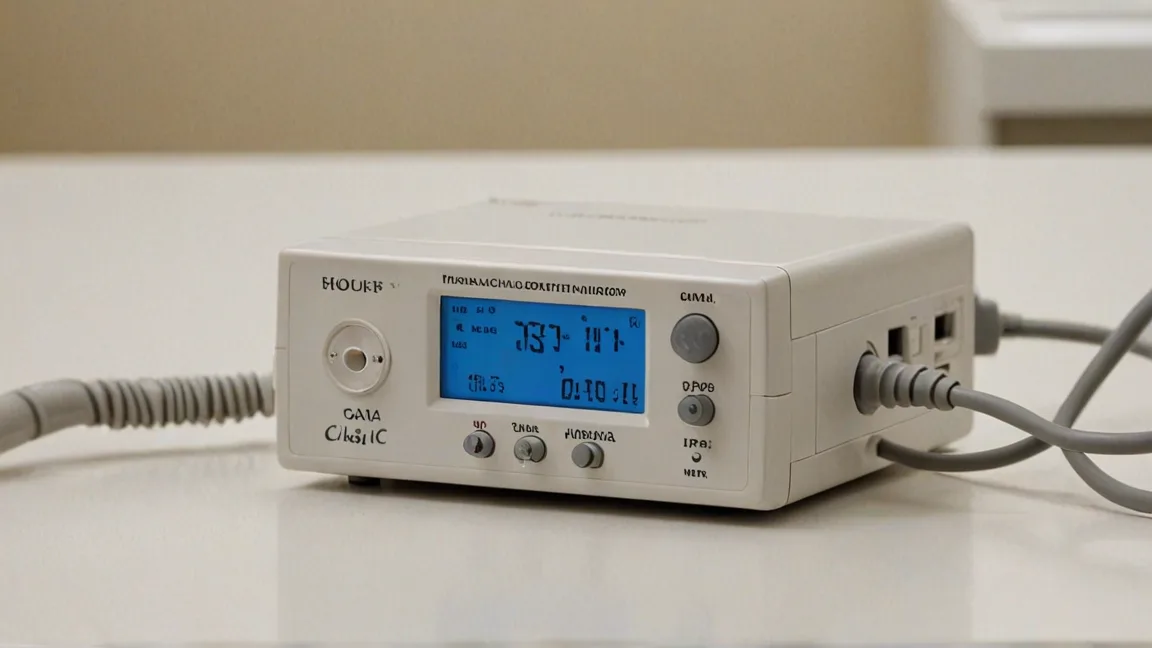
    That is what a digital data logger with a buffered probe is for – commonly a probe sitting in a small bottle of glycol, which mimics how a vial of liquid actually responds to temperature change rather than reacting to every brief draft the way an open-air sensor would. Most loggers track a minimum and a maximum since the last reset, and part of the twice-daily check is reading both of those, not just the current number, and then resetting the logger so the next window starts clean.

    The logger itself is worth a periodic glance at its calibration certificate too. A logger that is out of calibration can read confidently and still be wrong, which defeats the entire purpose of having one.
    Vaccine refrigerator shelves with organized medication trays and a data logger

    Organized vaccine storage, with the data logger probe inside

    When a reading comes back out of range

    The instinct when a fridge reads outside 36–46°F is to assume the worst and start discarding stock. That is the wrong first move. Vaccines exposed to a temperature excursion are not automatically ruined – many products tolerate brief or modest excursions without losing potency, but that determination is made by checking, not guessing.

    The stock gets labeled and set aside rather than thrown away – “do not use,” moved to a backup calibrated unit if one is available, and left alone until someone with the right information makes the call. What gets documented in the meantime is specific: how long the excursion lasted, the highest and lowest temperatures reached, and the lot numbers of everything affected.

    From there it goes up the chain – the clinic’s vaccine coordinator or pharmacy director, and often the manufacturer directly, since manufacturers keep stability data that can determine whether a given excursion is actually a problem. Guessing at this step, in either direction, either throws away usable vaccine or risks giving something that should have been pulled.

    What tends to go wrong

    A few patterns show up often enough to be worth naming.

    Logging from memory at the end of the day. Writing down a plausible-sounding number instead of actually reading the display defeats the entire point of a twice-daily check.

    Reading the current temperature but not the min/max. The current reading can look perfectly normal while the logger’s memory shows a three-hour excursion the night before.

    Forgetting to reset the logger. A min/max that never gets reset eventually just shows the worst reading from weeks ago, which makes every following check meaningless.

    Discarding stock reflexively. Throwing away vaccine on a minor excursion without checking wastes inventory that may have been perfectly fine.

    Letting the calibration certificate lapse. A logger nobody has re-certified in over a year is a logger nobody can fully trust, however consistent its readings look.

    A log that mostly says the same thing

    Most days, this log is boring in the best way – two entries, both in range, both initialed, nothing to escalate. That repetition is not wasted effort. It is what makes the one day something actually goes wrong easy to spot instead of easy to miss.

    Sources

    Centers for Disease Control and Prevention (CDC) – Vaccine Storage and Handling Toolkit
    World Health Organization (WHO) – Immunization in Practice: monitoring the cold chain
    U.S. Pharmacopeia (USP) General Chapter 659, packaging and storage requirements

    Disclaimer: This article is a documentation guide for nursing students and new nurses, for general informational purposes only. It is not medical, clinical, or exam advice, and is not affiliated with or endorsed by the NCLEX® or NCSBN®. Always follow your clinic’s protocols and state health department requirements.
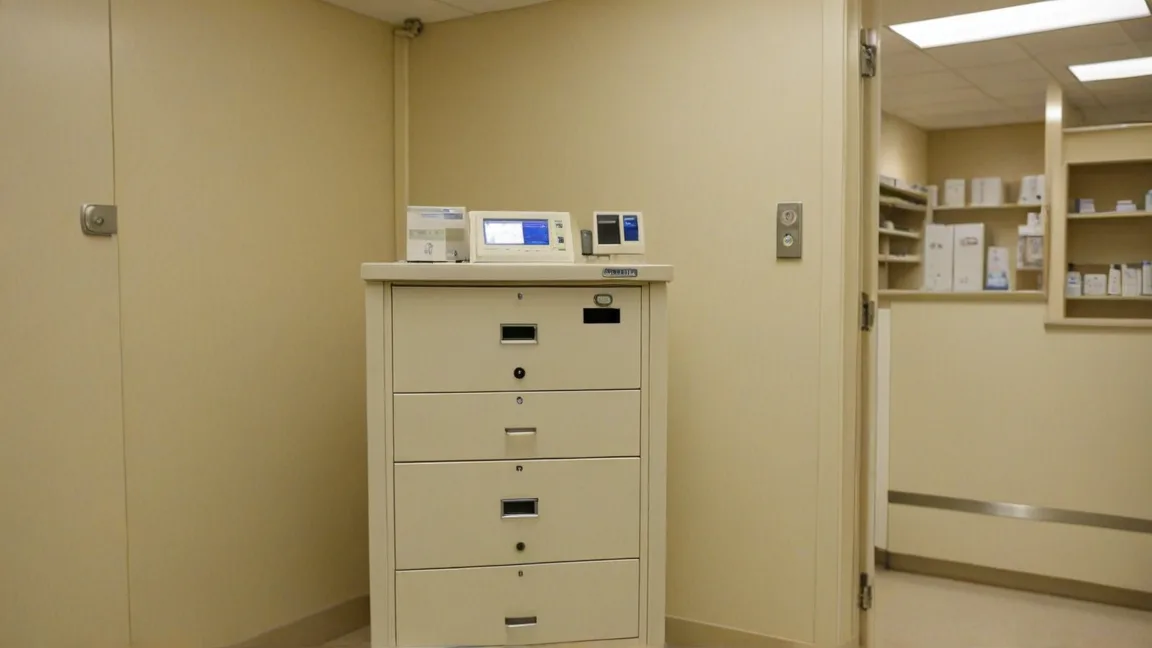
  • Narcotic & Controlled Substance Shift Count

    Narcotic & Controlled Substance Shift Count

    This is a documentation guide for nursing students and new nurses, not medical or clinical advice. Every unit does things a little differently, so your facility’s policies and your preceptor always come first.

    Of everything a nurse counts, signs, or double-checks in a shift, the narcotic count is the one that gets treated most seriously, and for good reason. Controlled substances – morphine, fentanyl, hydromorphone, oxycodone, lorazepam – carry real potential for error and diversion, and the count exists so that every tablet, ampule, and vial is accounted for by two people rather than trusted to memory or a single signature.

    Why it is always two nurses, never one

    A narcotic count does not happen alone, and it does not happen rushed. The outgoing nurse and the incoming nurse open the narcotics safe or automated dispensing cabinet together, and one reads the log while the other physically counts – every blister pack, every vial, every syringe.

    The reason it is always two people is not that one nurse is not trusted. It is that a single person checking their own count is checking against their own memory, and memory is exactly what this process is built not to rely on. A second set of eyes catches the count that looks right and is not.

    Beginning balance, minus what was given, minus what was wasted, should equal what is left. When it does not, that is the moment everything else in this article exists to explain.

    The count itself

    Both nurses are present for the whole count, not just the signature at the end. The outgoing nurse reads the logged balance aloud; the incoming nurse counts the physical stock and confirms it matches before either signs anything.

    Signatures go on legibly, with license numbers where the facility requires them. This is not a formality tacked onto the end – the signature is what turns “we counted it” into a record that can be traced back to two specific people if it is ever needed.

    Two nurses performing a narcotic count at an automated dispensing cabinet

    Two nurses counting controlled substances at shift change

    Wasting a partial dose

    Controlled substances often come in doses larger than what a patient needs – giving 2 mg of morphine from a 4 mg vial is common, and the remaining 2 mg has to go somewhere accountable rather than just down the sink unwitnessed.

    A second licensed nurse has to actually watch the waste happen – not sign off on it after the fact, not take the first nurse’s word for it. The waste gets documented in real time: patient initials, the amount wasted, the time, and both signatures, entered right after administration rather than saved for the end of the shift.

    Waiting until the end of a busy shift to log several hours of wasting from memory is one of the more common ways this process quietly breaks down, and it is also one of the easiest habits to avoid simply by logging as it happens rather than trusting it to come back later.

    When the count does not match

    If the physical count does not match the logged balance, the outgoing nurse does not leave the floor. That is close to a universal rule, regardless of how minor the discrepancy looks.

    The usual sequence starts with a second joint recount of the whole drawer or cabinet, since a miscount is far more common than an actual missing dose. If the recount still does not resolve it, the next step is checking the medication administration record for anything given or wasted but not logged correctly.

    If the discrepancy still cannot be explained after that, it goes up – charge nurse, nursing supervisor, and usually the pharmacy director, with a formal discrepancy report filed. This is not a punitive step aimed at either nurse. It is the process working the way it is supposed to when the numbers do not add up.

    Nurse documenting a wasted medication dose on a log sheet

    Logging the count is what makes it accountable, not just correct

    What tends to go wrong

    A handful of patterns account for most of the trouble this process runs into.

    Counting alone, then getting a signature after the fact. The whole point of the dual count is two people present for the actual counting, not one person counting and a second person signing off on trust.

    Batching the waste documentation. Wasting three doses over a shift and logging them all at the end from memory defeats the real-time record the process depends on.

    Leaving the floor before a discrepancy is resolved. It is tempting at the end of a long shift, and it is exactly the situation the rule about not leaving exists for.

    Treating a recount as unnecessary. Most discrepancies turn out to be counting errors, not missing medication, and a second recount catches the majority of them before anything gets escalated.

    Vague documentation on the discrepancy report. A report that just says “count did not match” is far less useful later than one that notes exactly what was checked and ruled out.

    Why this stays strict

    None of this exists because nurses are assumed to be careless or dishonest. It exists because controlled substances are exactly the category of medication where a small, honest mistake and something more serious can look identical from the outside, and the dual count is what tells them apart. A clean count at every shift change is what keeps that question from ever needing to be asked.

    Sources

    U.S. Drug Enforcement Administration (DEA) – Title 21 CFR Part 1304 recordkeeping requirements
    American Society of Health-System Pharmacists (ASHP) – guidelines on preventing diversion of controlled substances
    Institute for Safe Medication Practices (ISMP) – independent double-check strategies

    Disclaimer: This article is a documentation guide for nursing students and new nurses, for general informational purposes only. It is not medical, clinical, or exam advice, and is not affiliated with or endorsed by the NCLEX® or NCSBN®. Always follow your facility’s policies and state pharmacy board regulations.