This is a study guide for nursing students and NCLEX candidates, not exam prep counseling or medical advice. Testing rules change from time to time, so always check your Authorization to Test (ATT) email and Pearson VUE’s current candidate rules before exam day.
Most people spend months getting ready for the content of the NCLEX and about ten minutes getting ready for the day itself. That imbalance is where a lot of avoidable stress comes from. The questions are hard enough on their own; nobody needs to add a name mismatch on an ID, a watch left on a wrist, or a stomach cramp from ice water at the two-hour mark.
The good news is that exam day is one of the most predictable parts of the whole process. The testing center follows the same routine for every candidate, and once that routine is familiar, there is a lot less to worry about when you walk through the door.
The two things you cannot forget
Everything else on this list is about comfort. These two are about whether you get to sit the exam at all.
The first is a valid, unexpired, government-issued photo ID — for most candidates in the U.S., a driver’s license or a passport. The name on it has to match the name on your registration and your ATT. Not roughly, but exactly: a missing middle name, a hyphen in one place and not the other, or a recent marriage that changed a last name on one document but not the other is enough for a center to turn someone away. It’s worth pulling up the ATT email a week ahead and checking it against the ID side by side, while there is still time to fix a mismatch.
The second is the ATT itself. Having it on a phone is fine for reference, but a printed copy is a small insurance policy. Phones go into a locker at check-in, and a piece of paper doesn’t run out of battery.
What goes in the locker
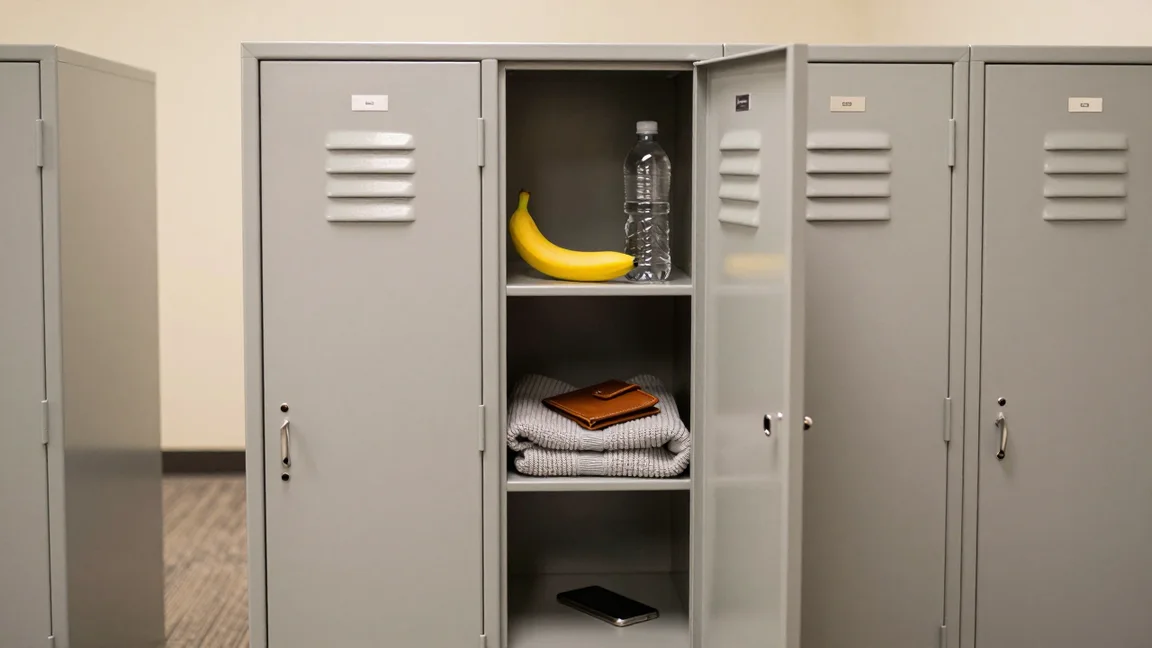
Nothing comes into the testing room with you — not a water bottle, not a snack, not a tissue from your own pocket. Anything you might want during the day waits in an assigned locker until a break. That makes the locker worth packing on purpose rather than as an afterthought.
Something small and easy to eat helps keep blood sugar steady through a long session: a banana, a protein bar, or a couple of squares of chocolate. A bottle of room-temperature water is gentler than an ice-cold one on a stomach that is already tense. If you take regular medication, or know you’re prone to headaches, it belongs in the locker too, along with anything like eye drops or antacids you might want at the halfway point.
What to leave at home
Watches are the item that catches the most people. Smartwatches obviously aren’t allowed, but neither are ordinary analog ones — there is a clock available and an on-screen timer, and the rule is simply no wrist devices of any kind. Taking it off in the car saves a trip back out to the parking lot.
Clothing matters more than people expect, too. Hoodies, jackets with lots of pockets, and cargo pants all mean a longer look at check-in, because every pocket and hood has to be shown empty. Simple layers are easier: testing rooms can run cold, and a plain long-sleeve top is easier to manage than a heavy jacket you may be asked to remove anyway.
And the study notes can stay home. Flipping through a summary sheet in the parking lot rarely adds anything at that point, and it tends to leave people more anxious, not less. The morning of the exam is better spent resting than cramming.
Walking in: check-in, step by step
Plan to arrive about 30 minutes before your appointment. Check-in takes time, and arriving late can mean being treated as a no-show — which usually means losing the registration fee and booking again.
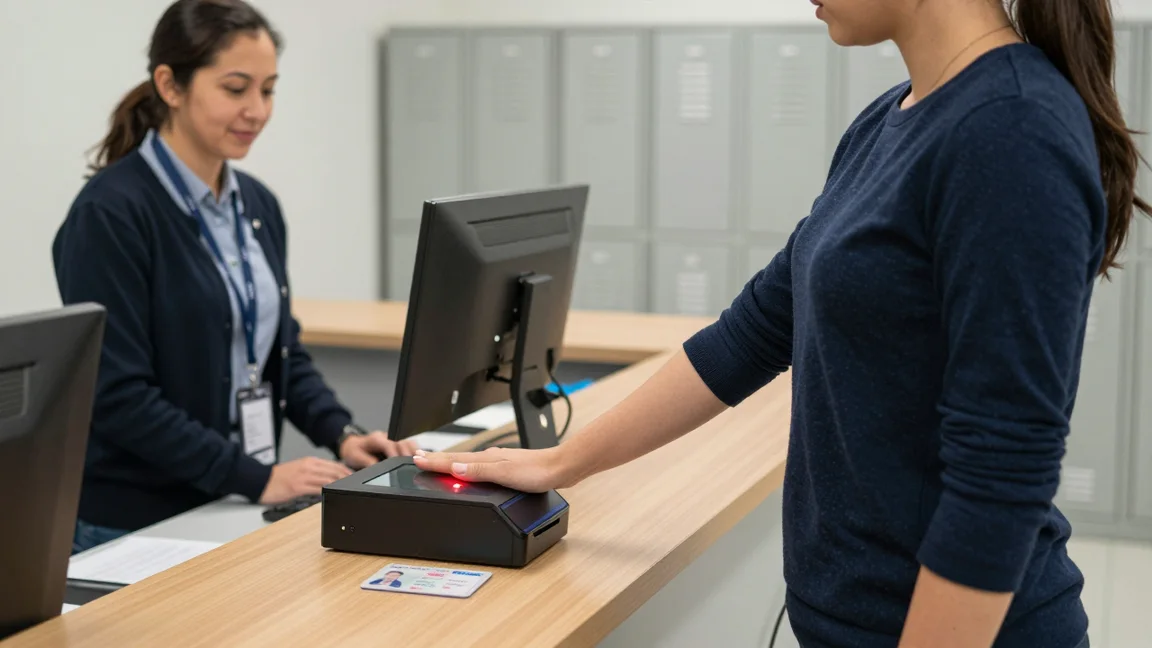
Once you’re inside, the sequence is the same for everyone. Your phone (switched off), wallet, bag, and coat go into the locker, and you keep only your ID and the locker key. Staff take a digital photo and a signature, and scan your palm. That palm scan is repeated every time you leave and come back into the testing room, including after every break, so it quickly becomes routine.
There is also a short physical check. You may be asked to turn out your pockets, roll up your sleeves, or show that nothing is tucked behind your ears, and glasses may be looked over. None of it is personal — it happens to every candidate. After that, you’re given an erasable noteboard and marker and shown to your seat.
Breaks, and the clock that doesn’t stop
The NCLEX allows up to five hours in total. Optional breaks are offered on screen at around the two-hour and three-and-a-half-hour marks, and you can also raise your hand and ask for one at any other point. The detail that surprises people is that the exam clock keeps running during breaks. A break is still part of the five hours.
That doesn’t mean skipping them. A tired brain misreads questions it would otherwise get right, and a few minutes away from the screen often pays for itself. It helps to have a short routine decided in advance so the break doesn’t drift: wash your hands and splash some water on your face, have a few sips of water and a bite of something from the locker, stretch your neck and shoulders, and take a few slow breaths before heading back through the palm scan. Kept to around five to seven minutes, it costs very little time.
Staying steady once the questions start
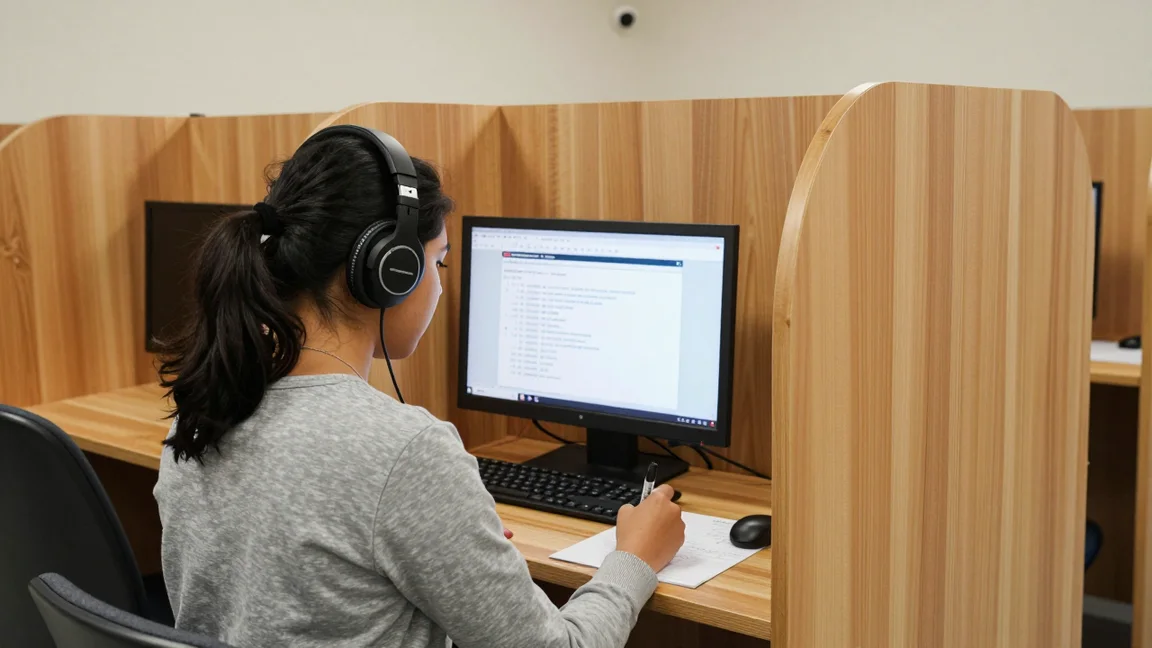
The noteboard is one of the most useful tools in the room, and plenty of people barely touch it. On a long case study or a bowtie item, jotting down the abnormal vital signs, the allergy, or the symptom that looks most urgent takes the pressure off working memory. It turns a wall of chart data into a short list you can actually see, and the simple act of writing things down tends to calm the nerves a little.
It also helps to know in advance what the length of the exam does and doesn’t mean. The test can end anywhere from 85 to 150 questions. Going past 85 doesn’t mean you are failing — it only means the computer hasn’t yet been able to decide with enough confidence either way, so it keeps asking. Plenty of people who pass sit well past the minimum.
Finally, expect to walk out feeling unsure. The test is designed to keep giving you questions near the edge of what you know, so almost everyone leaves feeling that they guessed on a lot of them. That feeling is common among people who pass. It isn’t a preview of the result.
What tends to go wrong
A name that doesn’t quite match. This is the one problem you can’t fix on the day. Check the ID against the ATT well ahead of time.
Cutting it close on arrival. Traffic, parking, and finding the right suite in an office building all take longer than expected. Thirty minutes early is a buffer, not a luxury.
Forgetting that breaks count. Candidates who assume the clock pauses sometimes take long breaks and then feel rushed in the last hour.
Rushing the first questions out of nerves. Adrenaline makes people skim. Reading each question and its options carefully from the start is easier than trying to recover focus later.
Leaving the noteboard blank. Holding a whole case study in your head is harder than it needs to be. Writing down the key findings is allowed, and it helps.
Sources
- Pearson VUE – NCLEX Candidate Rules and testing center regulations
- National Council of State Boards of Nursing (NCSBN) – NCLEX Candidate Bulletin
Disclaimer: This article is a study guide for nursing students and candidates, for general informational purposes only. It is not exam prep counseling or medical advice, and is not affiliated with or endorsed by the NCLEX® or NCSBN®. Always verify current policies with Pearson VUE and your ATT.